.png)


Why Choose Waste & Washroom for Food Waste?
Food waste is becoming one of the most important waste streams for UK businesses to manage correctly. As waste regulations continue to evolve and businesses face increasing pressure to improve recycling rates, food waste is becoming a key focus across almost every sector.
Many businesses assume food waste regulations only apply to restaurants, cafés or businesses serving food. In reality, food waste is generated in almost every workplace. Staff lunches, kitchen facilities, break rooms, meeting catering and office food waste all contribute to the volumes businesses produce every year.
We regularly speak to businesses that don't believe they generate enough food waste to require a dedicated collection service, only to discover that staff kitchens, tea stations and workplace catering account for a significant proportion of their general waste.
One of the most common issues we identify is businesses disposing of food waste through general waste bins. Food waste is heavy and often inflates general waste costs unnecessarily. In many cases, food waste collections cost around 50% less per lift than equivalent general waste collections, making food waste one of the quickest waste streams to optimise.
Because we compare both local and national providers, we help businesses find the most suitable food waste solution for their operation. Every client receives a dedicated account manager who manages supplier relationships, service issues and ongoing support, ensuring collections remain efficient as business requirements change.
Whether you're operating a restaurant, hotel, care home, school, golf club or office, we help ensure food waste is managed correctly, collections remain reliable and compliance requirements are met.
How It Works
1. Send us your current invoice
We review your existing waste setup and identify opportunities to improve food waste management, reduce contamination and optimise collection schedules.
2. We compare local and national providers
Using our network of trusted suppliers, we compare pricing, service levels and collection options to find the most suitable food waste solution for your business.
3. We manage the switch and ongoing service
Once you're happy to proceed, we handle the transition and remain your dedicated point of contact for any future support, questions or service changes.
What is Food Waste?
Food waste includes any food intended for human consumption that is no longer required. This can include preparation waste, spoiled stock, leftovers, plate scrapings and food that has passed its use-by date.
Businesses across the UK generate significant volumes of food waste every day, particularly within hospitality, healthcare, education and workplace environments. Managing this waste correctly helps reduce contamination, improve recycling performance and divert valuable organic material away from general waste streams.
Examples of commercial food waste include:
• Tea bags
• Coffee grounds
• Plate scrapings
• Leftover sandwiches and staff lunches
• Fruit and vegetable waste
• Bread and bakery items
• Rice, pasta and cereals
• Dairy products
• Meat and fish waste
• Expired food stock
• Food preparation waste
Why Should Businesses Separate Food Waste?
For many businesses, food waste separation is no longer simply a sustainability initiative — it's becoming a compliance requirement.
Under Simpler Recycling legislation, businesses across England with 10 or more full-time equivalent employees have been required to separate food waste from general waste since March 2025. From March 2027, these requirements will extend to smaller businesses, meaning virtually every business in England will need to consider how food waste is being managed.
Many business owners mistakenly assume these rules only apply to restaurants, cafés or hospitality venues. In reality, food waste is generated in almost every workplace. Staff lunches, kitchen facilities, break rooms, meeting catering and office food waste can all contribute to the volumes that need to be managed separately.
Failing to separate food waste correctly can lead to compliance issues, increased contamination and missed recycling targets. As enforcement develops, businesses that continue disposing of food waste through general waste collections may find themselves under greater scrutiny.
Food waste separation also delivers practical benefits. Food waste is heavy and often makes up a significant proportion of general waste collections. By moving food waste into a dedicated waste stream, businesses can often reduce the size or frequency of general waste collections.
We've seen businesses significantly reduce waste costs simply by identifying food waste that was previously being disposed of through general waste bins. In many cases, food waste collections cost around 50% less per lift than equivalent general waste collections.
The result is improved compliance, better recycling performance and a waste management setup that is often more efficient and cost-effective.
Does My Business Need Food Waste Collection?
One of the biggest misconceptions surrounding food waste legislation is that it only applies to businesses that sell food.
Restaurants, cafés, hotels and care homes are obvious examples of organisations that generate food waste, but many offices, warehouses, manufacturers, retailers and professional service firms also produce food waste every day without realising it.
If your workplace has a staff kitchen, break room, tea station or communal eating area, it is likely generating food waste.
Tea bags, coffee grounds, leftover sandwiches, fruit, salad, expired milk and food scraps from staff lunches can quickly accumulate across a business over the course of a week, month or year.
Many businesses underestimate how much food waste they produce because it is often mixed into general waste bins. Once food waste is separated and measured independently, it frequently represents a much larger proportion of total waste than expected.
This is one of the reasons food waste has become such an important part of Simpler Recycling requirements. Food waste isn't just generated by businesses that serve customers food — it is generated in almost every workplace.
What Can Go in a Food Waste Bin?
Food waste bins typically accept:
• Fruit and vegetable waste
• Meat and fish
• Dairy products
• Bread and bakery items
• Rice, pasta and cereals
• Tea bags
• Coffee grounds
• Plate scrapings
• Expired food products
• Food preparation waste
The exact materials accepted can vary slightly between providers, but most commercial food waste collections accept a broad range of organic food materials.
What Cannot Go in a Food Waste Bin?
The following materials should generally be excluded:
• Plastic packaging
• Glass bottles and jars
• Drinks cans
• Cardboard packaging
• General waste
• Chemicals or cleaning products
• Hazardous waste
Where food waste is packaged, it may need to be separated before disposal depending on the collection service being provided.
Common Food Waste Collection Mistakes
Over the years we've seen several common mistakes that increase costs, reduce recycling performance and create compliance issues.
Putting Food Waste Into General Waste
One of the most common issues. Businesses often dispose of food waste through general waste bins without realising how much volume and weight it contributes.
Assuming Food Waste Rules Don't Apply
Many organisations mistakenly believe food waste legislation only affects hospitality businesses when food waste is generated in almost every workplace.
Using Oversized General Waste Bins
Businesses often pay for larger general waste collections than necessary because food waste is inflating waste volumes.
Poor Staff Segregation
Even where food waste bins are available, staff training and signage are often overlooked, leading to contamination issues.
Not Reviewing Waste Arrangements
Food waste volumes can change significantly as businesses grow, making it important to regularly review collection frequencies and bin sizes.
Food Waste Bin Sizes & Collection Options
The right food waste collection service depends on the volume of waste your business produces.
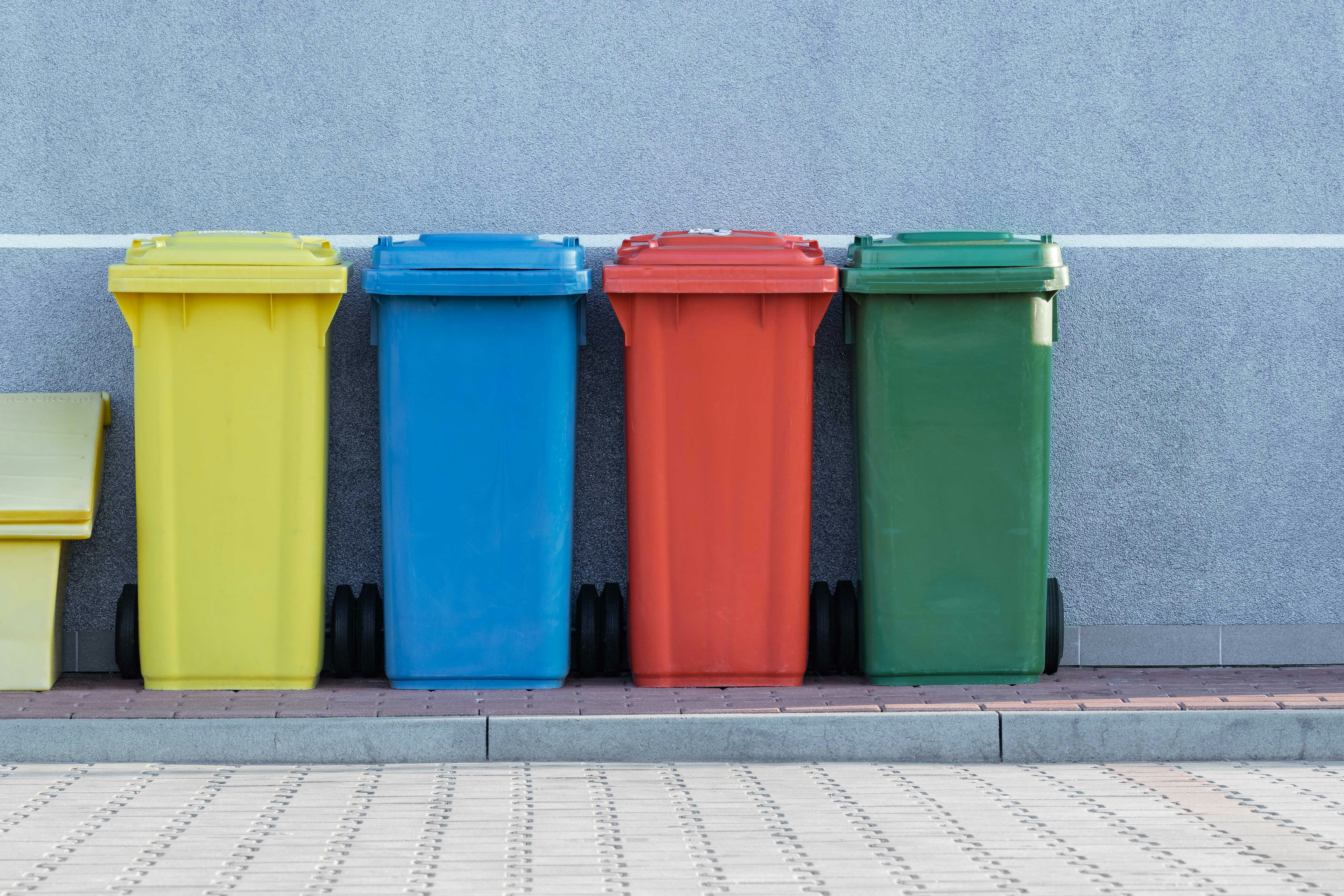
Internal Food Waste Caddies (23L–40L)
Suitable for kitchens, staff rooms, cafés and food preparation areas. These smaller containers make it easier for staff to separate food waste before it is transferred into external collection bins.
120L Food Waste Bins
Often the first external collection container used by smaller businesses and organisations generating modest food waste volumes.
240L Food Waste Bins
One of the most common options for restaurants, pubs, schools and businesses with regular food preparation activities.
360L & 660L Food Waste Bins
Often used by larger hospitality venues, hotels, care homes and businesses generating substantial food waste volumes.
Larger Containers
Available for high-volume operations and businesses requiring more frequent collections.
Collection frequencies can be adjusted to reflect seasonal demand, occupancy levels and operational requirements.
What Happens to Food Waste After Collection?
Once collected, food waste is typically transported to specialist treatment facilities where it is processed through anaerobic digestion.
During this process, organic waste breaks down naturally to produce biogas, which can be used to generate renewable energy. The remaining material can also be converted into nutrient-rich fertiliser used within agriculture.
This means food waste can be transformed into useful resources rather than being sent for disposal, helping businesses support a more circular approach to waste management.